



Xiaomi is yet to roll out the stable HyperOS 3 update to all eligible devices, but that hasn’t slowed down development. The company is already working on its next upgrade, expected to arrive as HyperOS 3.1, and early details suggest some impressive new features are on the way.
With HyperOS stability improving and fewer bugs reported after each release, Xiaomi is now focusing on refining the user experience. HyperOS 3.1 aims to make the interface more intuitive, expand ecosystem features, and bring deeper cross-platform compatibility—especially with iOS.
Xiaomi HyperOS 3.1: What We Know So Far
According to a report from XiaomiTime, Xiaomi has begun internal development of new features that build on HyperOS 3. As usual, testing is currently limited to Chinese variants, and a public beta is already live.
The update is based on Android 16, as Google has not yet launched an Android 17 preview. Until then, all upcoming HyperOS builds—including HyperOS 3.1—will continue to rely on Android 16.
Among the biggest changes are a revamped Password Manager, a completely rebuilt Gallery app, and deeper system-level AI readiness as Xiaomi prepares for future innovations.
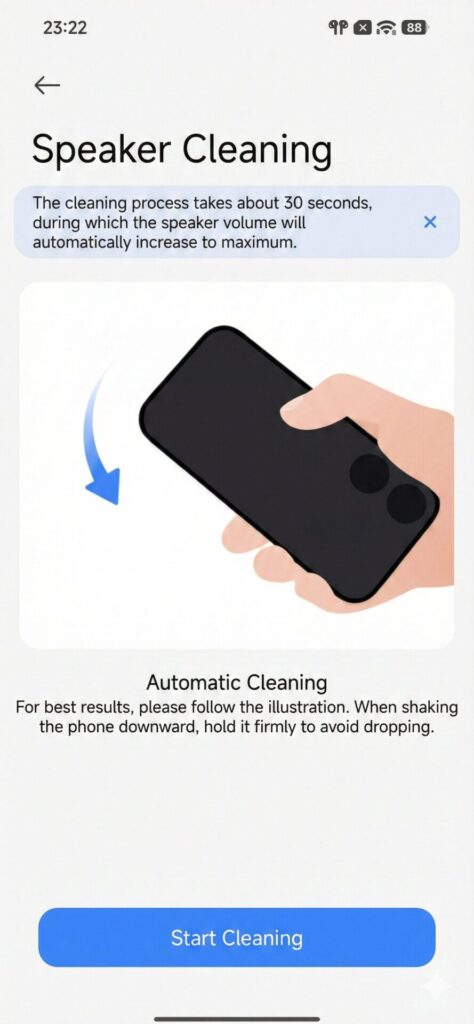

HyperIsland Gets a Major Upgrade with Live Activities
One of the headline features of HyperOS 3.1 is the expansion of HyperIsland, Xiaomi’s Dynamic Island-like interface introduced in HyperOS 3.
Live Updates Support
By leveraging Android’s Live Updates API, Xiaomi is enabling more native and third-party apps to display real-time information directly on HyperIsland. Apps like Uber, Spotify, and food delivery services can now show live progress without requiring special integration from Xiaomi.
To-Do Notes and QR Code Access
Tasks, reminders, and important notes can now appear on HyperIsland. QR codes for parcel or food pickups can also be accessed directly from the notification shade—no need to open the app.
Lock Screen Card Swiping
HyperIsland now allows users to swipe through payment cards directly from the lock screen, making transactions faster without opening a separate wallet app.
New Media Progress Bar
A subtle but welcome visual upgrade introduces a glowing progress bar for music and media playback on HyperIsland.
App Overhaul and UI Improvements
HyperOS 3 already drew inspiration from iOS, and HyperOS 3.1 continues that trend—this time referencing design elements from iOS 26.1.
New Gallery and Weather Apps
Xiaomi has rewritten both apps from scratch, removing legacy code to improve speed and future scalability. These apps are not yet compatible with HyperOS 3 and may crash if installed prematurely.
Redesigned Recent Apps Menu
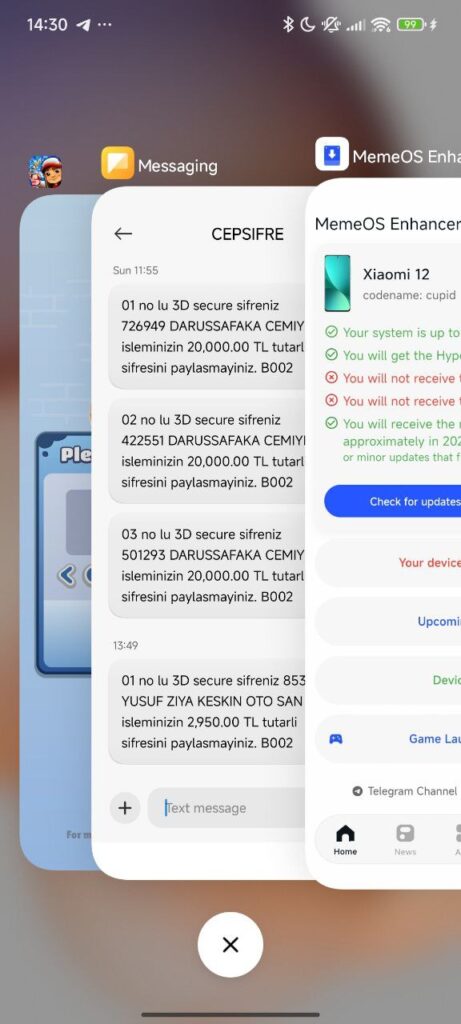
The multitasking interface now uses a stacked card layout, similar to iOS, offering smoother animations and a more modern feel when switching between apps.
Motion Sickness Relief Feature
A new accessibility option reduces excessive visual motion to help users prone to motion sickness—similar to Apple’s recent iOS update.
Optimized Navigation White Bar
The bottom gesture bar has been refined for smoother animations and better touch responsiveness.
Enhanced Security and Privacy Features
Xiaomi continues to strengthen system security in HyperOS 3.1, building on the foundation laid in HyperOS 3.
New Password App
A dedicated Password Manager has been introduced, supporting:
- Wi-Fi passwords and passkeys
- Password leak detection
- Browser password merging
- Improved system-wide autofill experience
Smarter Permission Controls
Users can now:
- Deny camera or location access when the screen is off
- Limit permissions to just 8 seconds after app launch to prevent background spying
Fingerprint and Pattern Changes
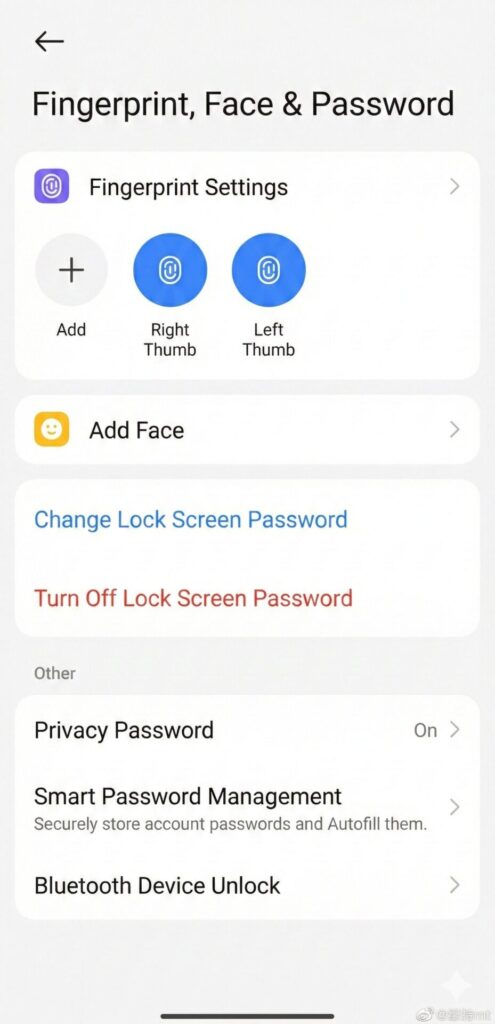
Xiaomi has restored the option to hide the pattern trail and separated fingerprint unlock settings from privacy passwords for greater flexibility.
Deeper iOS Integration with HyperConnect
Xiaomi is doubling down on cross-platform compatibility, especially with Apple devices.
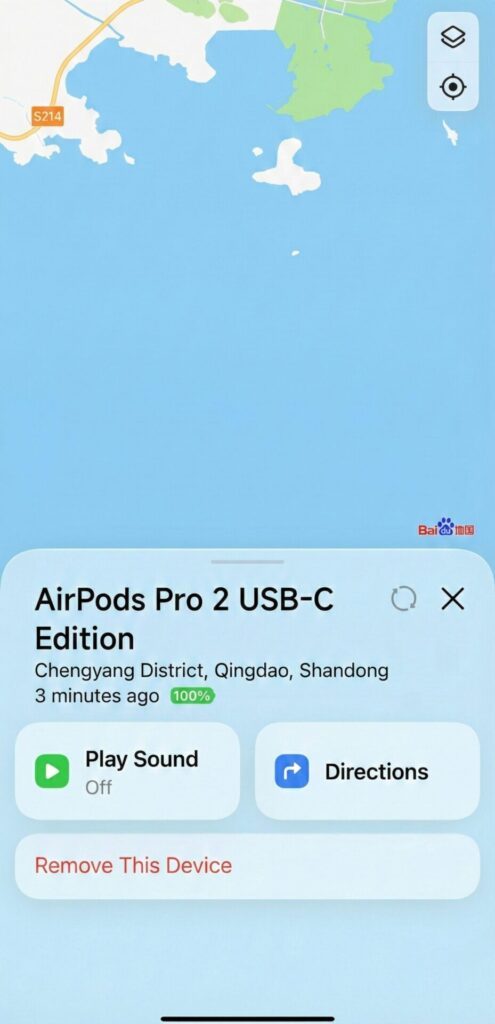
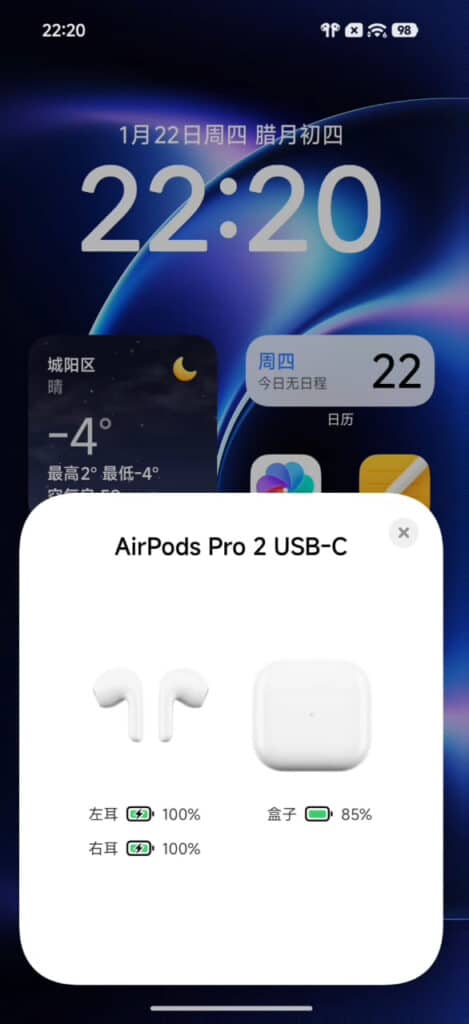
AirPods Support
Xiaomi phones now fully support Apple AirPods, including pop-up animations and spatial audio features.
iPhone Cross-Compatibility
HyperOS 3.1 allows users to answer iPhone calls directly from Xiaomi devices, narrowing the gap between Android and iOS ecosystems.
Assistance Menu Redesign
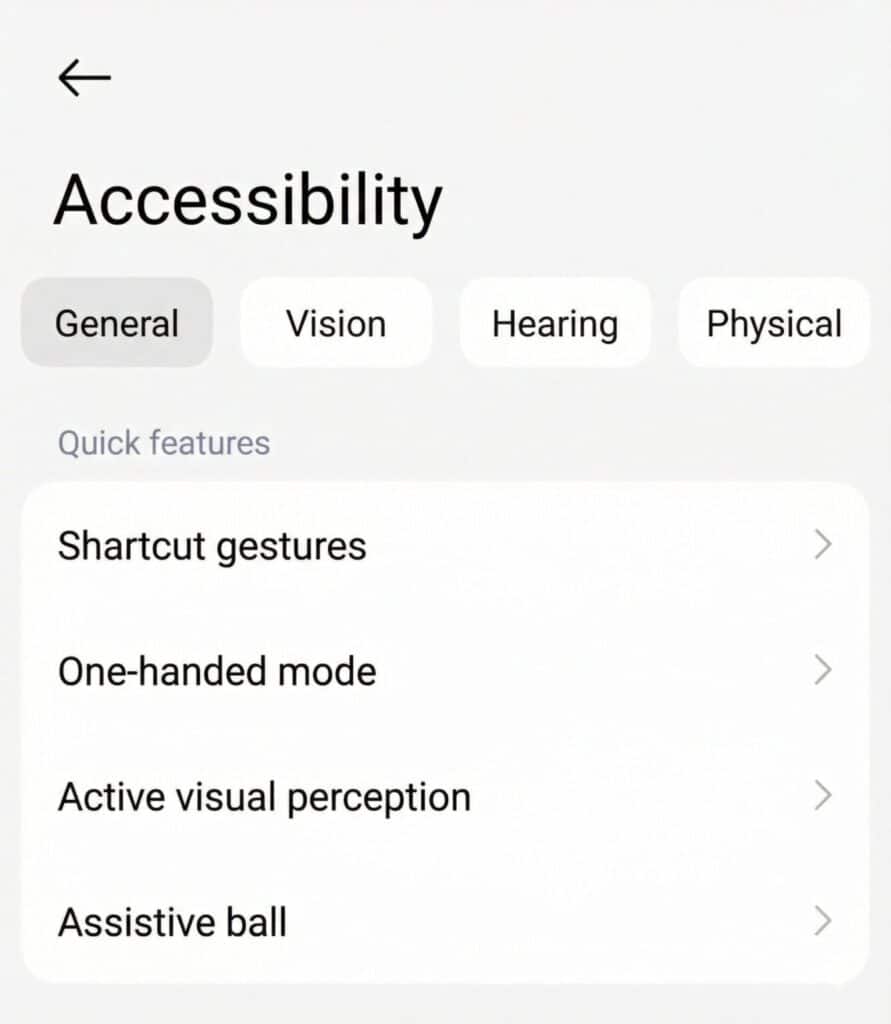
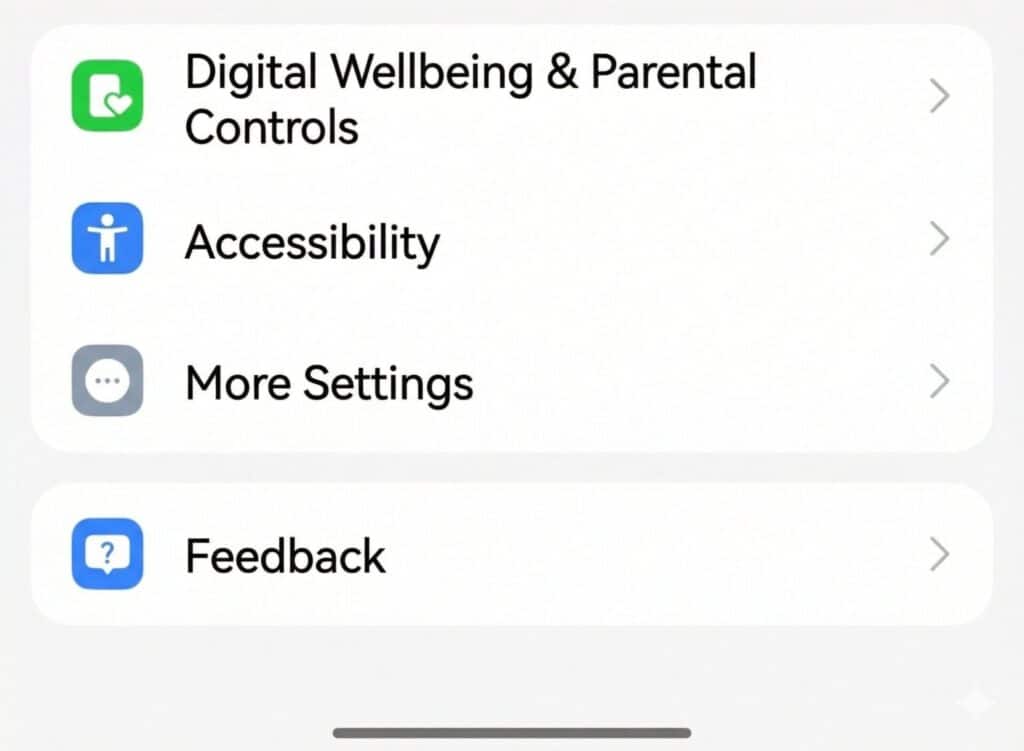
Accessibility settings have been renamed to Assistance, with features like Active Visual Perception reorganized for better usability.
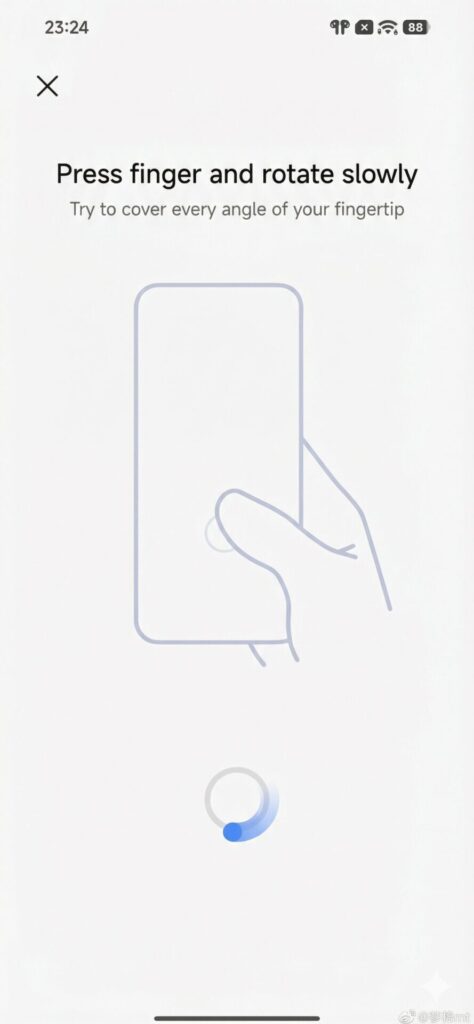
Biometric Settings Redesign
The biometric management page for face recognition and fingerprints has been redesigned to be more intuitive and user-friendly.
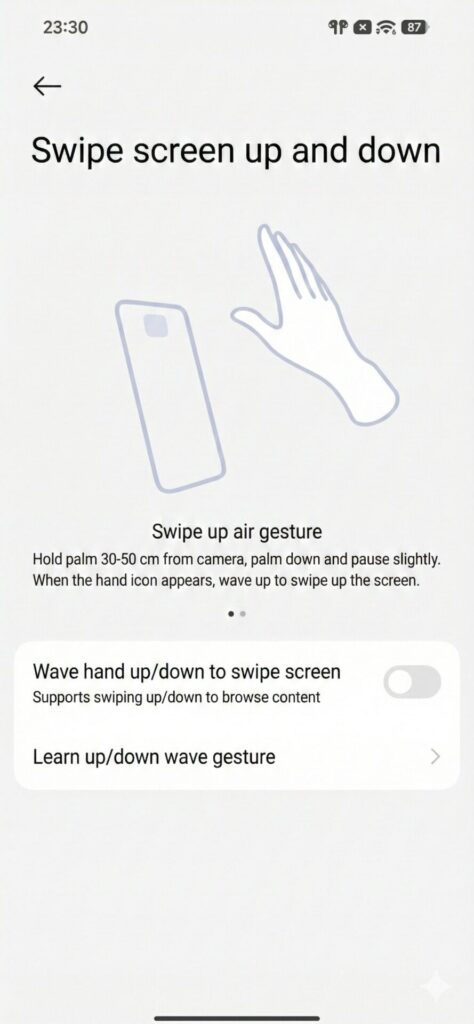
New Quick Gestures
Exclusive to the Redmi K90 Pro Max, HyperOS 3.1 introduces new Quick Gesture controls for faster navigation.
Final Thoughts
HyperOS 3.1 looks like a significant refinement rather than a radical overhaul. With expanded HyperIsland functionality, improved security, redesigned system apps, and deeper iOS integration, Xiaomi is positioning HyperOS as a more polished and ecosystem-focused platform.
More details—including global availability and supported devices—are expected as development progresses.
